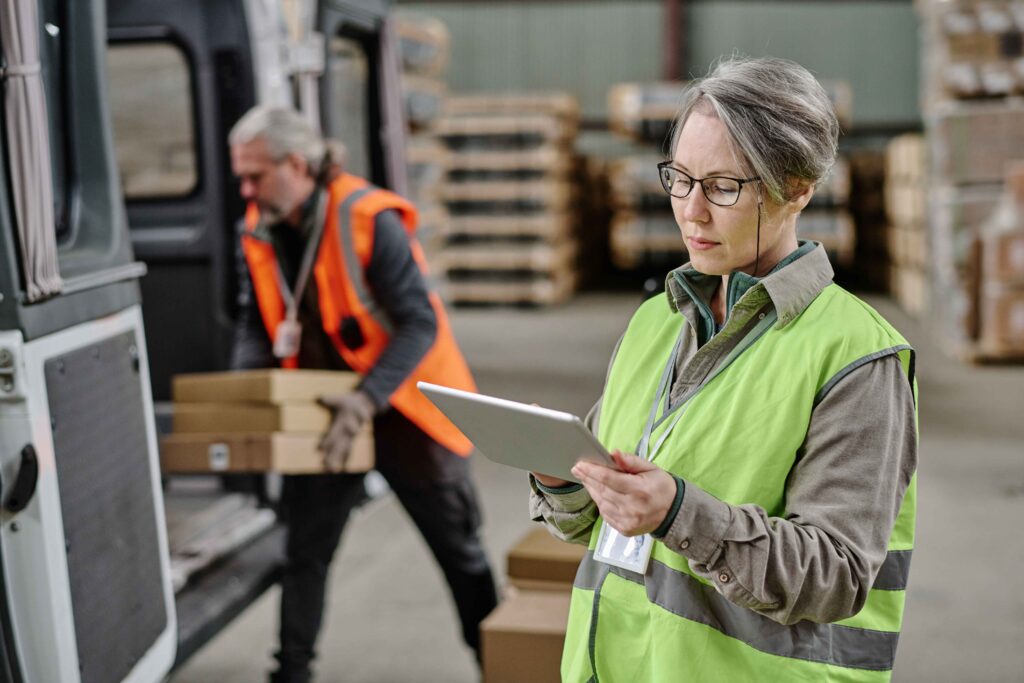

Last-mile delivery has become one of the most critical components of modern supply chain operations. As e-commerce demand rises and customer expectations grow, companies must deliver packages faster, more accurately, and with higher transparency. Leveraging advanced logistics apps allows businesses to optimize delivery routes, track shipments in real time, and ensure smooth coordination between drivers, warehouses, and customers. These digital tools are reshaping last-mile operations and helping companies stay competitive in an increasingly demanding marketplace.
Optimizing Delivery Routes in Real Time
One of the biggest challenges in last-mile delivery is route optimization. Traffic congestion, road closures, and unexpected delays can impact delivery speed. Modern logistics apps use AI-driven algorithms and GPS data to optimize routes in real time. Drivers receive updated routes based on current conditions, minimizing travel time and reducing fuel costs. This smart routing ensures timely deliveries and enhances overall fleet productivity.
Improving Visibility for Customers and Businesses
Customers expect to know exactly where their packages are and when they will arrive. Logistics apps provide live tracking features that display shipment location, expected arrival time, and delivery progress. This level of transparency builds trust and reduces the number of customer service inquiries. On the business side, managers can monitor fleet movement, track driver performance, and identify delays instantly. Improved visibility strengthens operational planning and enhances service quality.
Enhancing Driver Productivity and Efficiency

Drivers play a crucial role in last-mile delivery, and giving them the right digital tools increases overall efficiency. Mobile logistics applications allow drivers to view assigned deliveries, receive instructions, upload proof of delivery, and communicate directly with dispatch teams. Automated checklists, digital signatures, and real-time route updates reduce manual work and ensure smoother workflows. These features help drivers complete more deliveries in less time while maintaining accuracy.
Reducing Delivery Errors and Failed Attempts
Failed deliveries are costly and frustrating for both customers and companies. Logistics apps minimize these issues by providing accurate delivery information, real-time address verification, and communication features that allow drivers to contact customers easily. Customers also receive notifications about delivery windows, ensuring they are available when the package arrives. This reduces return trips, lowers operational expenses, and enhances customer satisfaction.
Leveraging Data for Continuous Improvement
Last-mile delivery generates a significant amount of data — from delivery times and driver performance to customer preferences. Logistics apps gather and analyze this data to help companies identify inefficiencies, predict demand, and plan better routes. With these insights, businesses can improve future operations, reduce costs, and enhance the reliability of their delivery services.
Supporting Contactless and Safe Deliveries
As safety and hygiene continue to be priorities, logistics apps support contactless delivery options. Drivers can upload photos as proof of delivery, obtain digital confirmations, and send automated notifications upon arrival. These features align with modern customer expectations and help companies maintain safe, efficient operations.
Final Thoughts
As last-mile delivery becomes more complex and customer expectations continue to evolve, businesses must adopt advanced digital tools to remain competitive. Utilizing powerful logistics apps enables companies to optimize delivery routes, enhance transparency, increase driver productivity, and provide exceptional customer experiences — transforming last-mile operations into a strategic advantage.